Our Social Networks: Exploring the benefits of storytelling in building agency, identity and well-being with people with learning disabilities. 2023. Caroline Andrews.
Caroline’s study investigates how storytelling empowers people with learning disabilities to construct identity, exercise agency, and enhance wellbeing. Using Narrative Inquiry, the study analyzes nine audio-recorded personal stories from Mencap Cymru’s Our Social Networks oral history project.

Annual Health Checks for People with Learning Disabilities: An Exploration of Experiences, Follow-up and Self-management of Health Conditions. 2022. Dr. Dawn Cavanagh.
Dr. Cavanagh’s research explored the experiences of 12 adults with learning disabilities in Wales regarding their annual health checks. It investigated how health issues identified during annual health checks were followed up, how participants self-managed conditions, and what support they received.
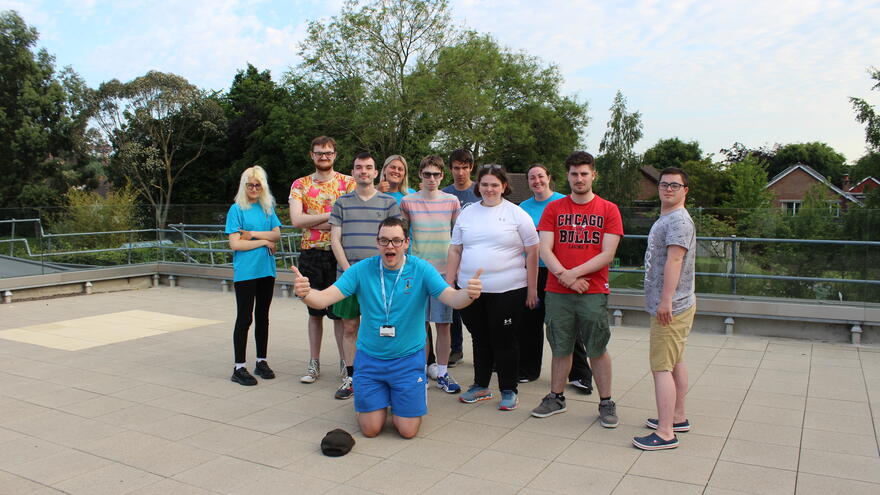
Living at Home with Family: Psychological Adaptation and Well-being Among Family Carers and Adults with an Intellectual Disability. 2015. Dr. Jillian Powell
Dr. Powell’s research explores the psychological adaptation and well-being of family carers and adults with learning disabilities living at home. It addresses the increasing number of adults with learning disabilities residing with their families due to changes in
social care
 Social care means the services that give care and support to people who need it.
and housing in the UK.
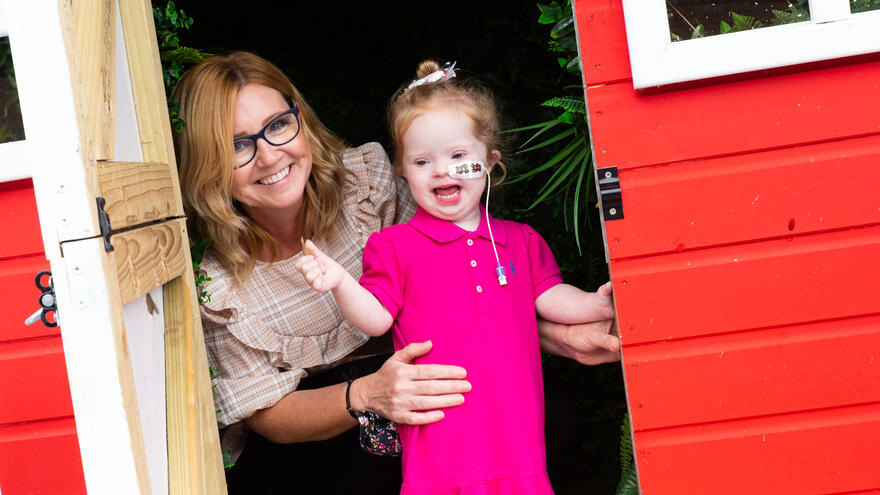
Comparing understanding of Health related knowledge following Easy Read alone or Easy Read with additional support in adults with intellectual disabilities. 2015. Lowri Rowlands
Lowri’s research investigated whether adults with a learning better comprehend health-related information when using Easy Read Easy Read is a way of making written information easier to understand. Pictures are usually added next to the writing. materials (simplified text with visuals) alone versus combining Easy Read with additional support like verbal explanations, group discussions, or interactive tools.